
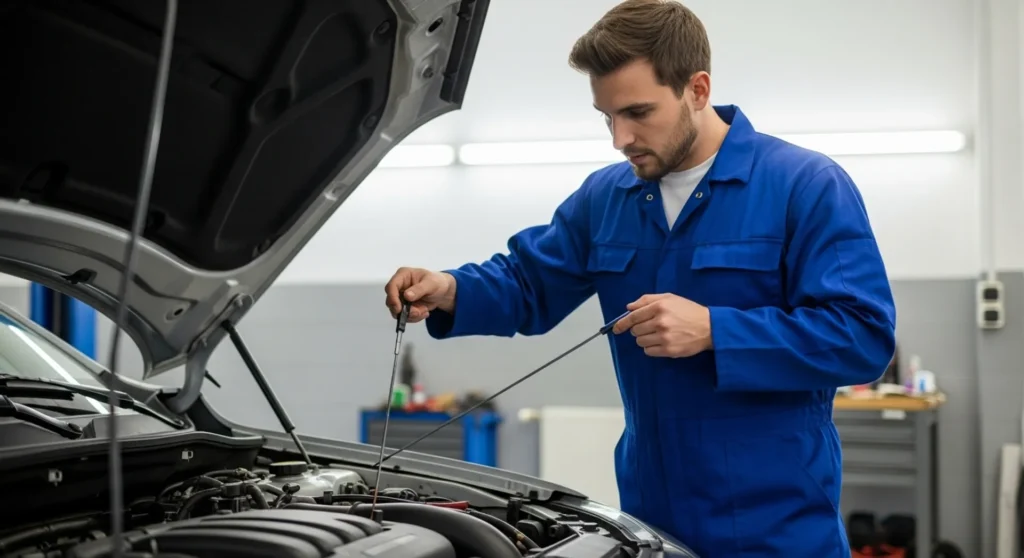
The average vehicle on American roads today is 12.8 years old — a record high that shows no signs of slowing down. With new car prices soaring and economic uncertainty lingering, more drivers are choosing to keep their current vehicles rather than take on hefty monthly payments. If you are among the millions of Americans driving a high-mileage vehicle, you are making a smart financial decision. But that decision comes with responsibility.
A car with 150,000 miles or more is not destined for the junkyard. Modern vehicles are engineered to last well beyond 200,000 miles when properly maintained. The key is understanding what your aging car needs and staying ahead of problems before they become expensive repairs. This guide will walk you through everything you need to know about keeping your high-mileage vehicle running strong for years to come.
What Qualifies as a High-Mileage Vehicle?
Generally, any vehicle with 75,000 miles or more on the odometer is considered high mileage. However, the true measure of a high-mileage car is not just about the number itself — it is about how those miles were accumulated and how well the vehicle has been maintained throughout its life.
A car that has been driven primarily on highways at consistent speeds may actually be in better condition than a low-mileage vehicle subjected to constant stop-and-go city traffic. Highway driving puts less stress on the engine, transmission, and braking system compared to short trips that never allow the engine to reach optimal operating temperature.
Understanding your vehicle’s history is crucial. If you have maintained detailed service records, you are already ahead of the game. If you purchased a used vehicle without complete records, consider having a trusted mechanic perform a comprehensive inspection to establish a baseline for future maintenance.
Essential Maintenance Tasks for High-Mileage Vehicles
Keeping a high-mileage car on the road requires a proactive approach to maintenance. While the basics remain the same as any vehicle, older cars demand more attention and sometimes more frequent service intervals.
Oil Changes Become Even More Critical
Engine oil is the lifeblood of your vehicle, and this becomes especially true as your car ages. Older engines tend to develop small leaks, burn oil more readily, and accumulate sludge deposits that can restrict oil flow. Switching to a high-mileage motor oil formulation can make a significant difference.
High-mileage oils contain special additives that condition engine seals to help prevent leaks, clean sludge deposits, and provide extra protection for worn components. Most experts recommend changing your oil every 5,000 miles for high-mileage vehicles, though your vehicle may show signs it needs attention sooner. Do not skip oil changes or stretch intervals — the cost of regular oil changes is nothing compared to engine replacement.
Transmission Fluid Deserves Special Attention
The transmission is the second most expensive component in your vehicle, and maintaining its fluid is absolutely essential for longevity. Over time, transmission fluid breaks down and becomes contaminated with microscopic metal particles. This contamination accelerates wear and can lead to shifting problems, slipping gears, or complete transmission failure.
For high-mileage vehicles, consider having the transmission fluid exchanged every 50,000 to 100,000 miles. Some manufacturers claim their transmission fluid is lifetime fluid that never needs changing, but experienced mechanics know that regular fluid exchanges significantly extend transmission life — especially in vehicles with over 100,000 miles.
Cooling System Maintenance Prevents Catastrophic Failure
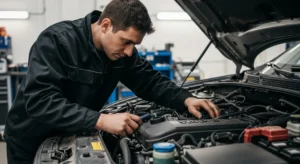
An overheated engine can destroy itself in minutes. As vehicles age, cooling system components become increasingly vulnerable to failure. Radiator hoses can become brittle and crack, water pumps develop leaks, and thermostats can stick in the wrong position.
Have your cooling system inspected annually once your vehicle passes 75,000 miles. Check hoses for soft spots, bulges, or cracks. Ensure the coolant is at the proper level and concentration. A coolant flush every two years helps prevent corrosion buildup inside the radiator and engine block. Replacing a $15 thermostat is far better than facing a $3,000 head gasket repair caused by overheating.
Components That Need Extra Monitoring
Certain parts of your vehicle require increased vigilance as mileage accumulates. Catching problems early with these components can save you from being stranded and prevent minor issues from becoming major repairs.
Battery and Electrical System
Car batteries typically last three to five years, but high temperatures, frequent short trips, and an aging charging system can shorten that lifespan considerably. Have your battery tested annually after the three-year mark. Watch for slow cranking when starting, dimming headlights, or electrical accessories that seem sluggish.
Additionally, clean the battery terminals periodically to remove corrosion that can prevent proper charging. A simple mixture of baking soda and water can dissolve the white crusty buildup that accumulates on battery posts. According to AAA’s vehicle maintenance guidelines, keeping battery connections clean is one of the most overlooked yet important maintenance tasks for older vehicles.
Suspension and Steering Components
The suspension system absorbs countless bumps, potholes, and road imperfections over your vehicle’s life. Shocks and struts typically need replacement between 50,000 and 100,000 miles. Worn suspension components affect not only ride comfort but also tire wear, braking distance, and vehicle handling.
Watch for signs like excessive bouncing over bumps, the car pulling to one side, uneven tire wear, or clunking noises from the front end. Ball joints, tie rod ends, and control arm bushings also wear over time and should be inspected regularly. Your brakes work in conjunction with your suspension, so worn suspension components can actually compromise your braking effectiveness.
Timing Belt and Related Components
If your vehicle has a timing belt rather than a timing chain, this component demands respect. Timing belts typically require replacement between 60,000 and 100,000 miles, depending on the manufacturer. A failed timing belt can cause catastrophic engine damage in interference engines — damage that often costs more to repair than the vehicle is worth.
When replacing the timing belt, experienced mechanics recommend also replacing the water pump, tensioner, and idler pulleys. These components share the same lifespan as the belt, and replacing them together saves labor costs since the engine is already disassembled.
Fluid Checks: The Foundation of High-Mileage Care
Your vehicle relies on multiple fluids to keep all systems operating smoothly. Establishing a routine for checking these fluids can help you catch problems before they strand you on the roadside.
Beyond engine oil and transmission fluid, pay attention to brake fluid, power steering fluid, and coolant levels. Brake fluid absorbs moisture over time, which can cause corrosion inside the brake system and reduce braking performance. Most manufacturers recommend flushing brake fluid every two years or 30,000 miles.
Power steering fluid also degrades and should be checked monthly for both level and condition. Dark or murky fluid indicates contamination and warrants a flush. Low fluid levels can indicate a leak that needs immediate attention — running a power steering pump dry can destroy it within seconds.
When Professional Inspection Becomes Essential
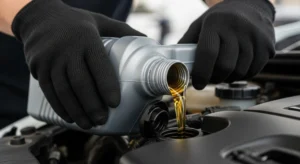
While many maintenance tasks can be monitored at home, high-mileage vehicles benefit tremendously from regular professional inspections. A trained technician can identify developing problems that the average driver might miss.
Consider scheduling a comprehensive inspection at major mileage milestones — 100,000 miles, 125,000 miles, and 150,000 miles are good benchmarks. These inspections should include examination of the exhaust system for leaks, checking all belts and hoses for wear, testing the battery and charging system, inspecting brakes and suspension components, and scanning the computer system for stored trouble codes.
Building a relationship with a trusted auto repair shop pays dividends when you are maintaining an older vehicle. A good mechanic learns your car’s quirks and can spot changes that might indicate developing problems. They can also help you prioritize repairs when multiple items need attention — something that happens more frequently as vehicles age.
The Financial Wisdom of High-Mileage Maintenance
Some drivers hesitate to invest in maintenance for an older vehicle, reasoning that the car might not last much longer anyway. This thinking is usually counterproductive. Proper maintenance is almost always less expensive than the alternative — whether that alternative is a major repair caused by neglect or purchasing a replacement vehicle.
Consider this: even if you spend $2,000 per year on maintenance and repairs for a high-mileage vehicle, that is still far less than the average new car payment of $700 or more per month. As long as your vehicle remains safe and reliable, continuing to maintain it makes excellent financial sense.
The Bureau of Labor Statistics reports that vehicle maintenance costs have risen significantly in recent years, but keeping an older car maintained still costs a fraction of new car ownership. Set aside a monthly maintenance fund for your high-mileage vehicle, treating it like a car payment. When repairs come up, the money is ready and waiting.
Keeping Your High-Mileage Vehicle Running Strong
A well-maintained vehicle can reliably serve you for 200,000 miles, 300,000 miles, or even longer. The keys are consistency, vigilance, and addressing problems promptly before they escalate. Pay attention to how your car sounds, feels, and performs. Changes often signal developing problems that are cheaper to fix when caught early.
Do not skip scheduled maintenance to save money in the short term. Follow your manufacturer’s maintenance schedule as a minimum, and increase service frequency for critical fluids and components as mileage accumulates. Partner with a trustworthy mechanic who will be honest about what your vehicle needs and what can wait.
Your high-mileage vehicle represents a significant investment of your money and time. With proper care, it will continue rewarding you with reliable transportation for many more miles to come. The road ahead is long — make sure your vehicle is ready for the journey.