Tire rotation is an essential part of car maintenance that many drivers overlook. However, regularly rotating your tires can significantly extend their lifespan, improve vehicle performance, and save you money on costly repairs. In this blog post, we’ll explore how tire rotation helps you avoid premature tire wear, improves your vehicle’s safety, and ultimately helps reduce long-term vehicle expenses.
What is Tire Rotation?
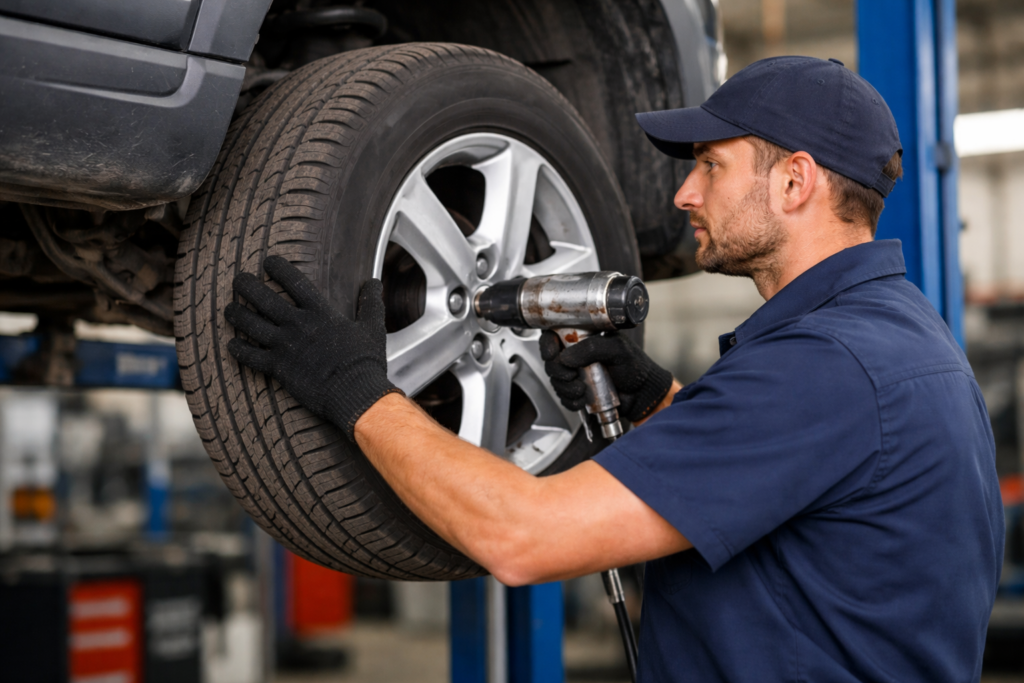
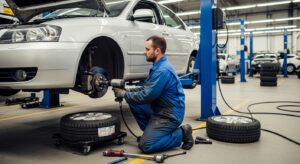 Tire rotation involves moving your tires from one position on your car to another. The purpose of this procedure is to ensure that your tires wear evenly. Since tires perform different tasks depending on their position—such as front tires bearing more weight or rear tires enduring different conditions—the act of rotating them helps maintain a balanced wear pattern. Regular tire rotation distributes wear more evenly and allows all four tires to last longer, helping to reduce the need for early tire replacements.
Tire rotation can also help prevent issues like uneven tread wear and other complications that affect your car’s performance. By keeping your tires in good condition, you’ll improve your overall vehicle safety and save money on both repairs and fuel.
Why Tire Rotation is Crucial for Your Vehicle’s Longevity
Neglecting tire rotation can lead to uneven tire wear, which affects not only the longevity of your tires but also the overall handling of your vehicle. Tires that are worn unevenly can cause issues with alignment, suspension, and steering components. It can also lead to decreased fuel efficiency, which means you’re spending more at the gas pump.
When tires wear unevenly, the tread on one tire may become significantly thinner than the others, which can compromise your vehicle’s grip on the road. If this issue is not addressed, it can eventually result in the need for costly repairs, such as replacing worn suspension components, wheel alignment fixes, or even the entire set of tires.
Therefore, regular tire rotation is one of the easiest and most cost-effective ways to maintain your vehicle, ensuring that all components, especially the tires, wear evenly. This will improve the driving experience and prevent expensive repairs in the future.
How Often Should You Rotate Your Tires?
The recommended frequency for tire rotation largely depends on your vehicle’s make and model, driving conditions, and the type of tires you have. In general, it is recommended to rotate your tires every 6,000 to 8,000 miles, or roughly every other oil change. Some newer vehicles with advanced tire wear detection systems may provide more specific guidance on tire rotation schedules.
If you frequently drive on rough or uneven terrain, or you often engage in heavy braking or rapid acceleration, you may need to rotate your tires more often. Harsh driving conditions can accelerate uneven tire wear, which may result in the need for more frequent rotations to keep your tires in good condition.
It’s always best to consult your vehicle’s owner manual for the manufacturer’s recommendation on tire rotation intervals. Adhering to this schedule ensures that your tires receive the proper care and attention, preventing uneven wear that could lead to costly repair bills.
The Financial Benefits of Tire Rotation
Many car owners put off regular tire rotations in an effort to save money. However, not rotating your tires regularly can actually result in higher costs down the line. Here are several financial benefits of sticking to a regular tire rotation schedule:
- Extended Tire Life: One of the biggest financial benefits of tire rotation is the extended lifespan of your tires. By ensuring that your tires wear evenly, you can extend their life by thousands of miles. This means fewer trips to the tire shop to purchase replacements, saving you money in the long run.
- Improved Fuel Efficiency: Tires that wear evenly allow your vehicle to run more efficiently. When your tires are balanced, they reduce rolling resistance, which can improve fuel efficiency. A well-maintained set of tires can help you save money on gas, particularly with rising fuel costs.
- Reduced Repair Costs: Regular tire rotation prevents uneven wear, which in turn helps avoid the stress placed on other vehicle components. When your tires are properly aligned and balanced, your vehicle’s suspension and steering systems are under less strain. This helps extend the life of other expensive components, such as suspension parts and wheel alignment, which can otherwise require costly repairs.
- Better Safety and Handling: Unevenly worn tires can significantly affect your vehicle’s handling and braking ability, making it more difficult to control the car, especially in bad weather. By regularly rotating your tires, you can ensure your car remains safe to drive, avoiding potential accidents that could lead to costly repairs or insurance claims.
Signs of Uneven Tire Wear
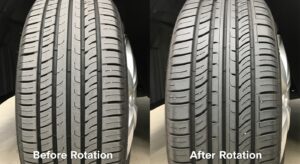 While regular tire rotation is essential, it’s also important to keep an eye out for signs that your tires may be wearing unevenly. Some common signs of uneven tire wear include:
- Excessive wear on one side of the tire: If the tread on one side of your tire is significantly more worn than the other side, it’s a sign that your tires may be misaligned or that they haven’t been rotated in a while.
- Scalloped or cupped tires: Tires that have a wavy or “scalloped” pattern are a clear indication of improper rotation. This is typically caused by suspension problems or poor wheel alignment.
- Vibration or noise while driving: Uneven tire wear often leads to vibrations or unusual noises when driving. If you notice your vehicle vibrating while driving, it’s important to check your tires for uneven wear or damage.
- Excessive tire pressure loss: If your tire pressure frequently drops below the recommended level, it could be a sign that your tires are not wearing evenly, causing uneven contact with the road surface.
Cost Comparison: Tire Rotation vs. Tire Replacement
One of the most common misconceptions about tire rotation is that it’s an unnecessary expense. However, the cost of regularly rotating your tires is far less than the expense of prematurely replacing worn-out tires. Let’s take a look at the cost comparison:
- Tire Rotation: Typically costs between $20 and $50, depending on the service provider and location.
- Tire Replacement: Replacing a set of four tires can cost anywhere from $400 to $1,000, depending on the brand, size, and quality of the tires.
By spending a small amount on regular tire rotations, you can avoid the much larger costs of replacing tires that have worn unevenly. Regular tire rotation is a cost-effective investment that will save you money in the long run.
How to Rotate Tires Properly
While it’s often best to have a professional rotate your tires, it’s possible to perform the rotation yourself if you have the right tools. Here’s a basic guide on how to rotate your tires:
- Ensure your car is parked on a level surface and that the parking brake is engaged.
- Use a jack to lift your car and secure it with jack stands.
- Remove each tire and rotate them according to the recommended rotation pattern (typically front-to-rear or diagonal pattern depending on your vehicle’s needs).
- Reinstall the tires, ensuring they are securely fastened and properly inflated to the correct pressure.
For the best results and to ensure your tires are rotated correctly, it’s recommended to have this service performed by a professional mechanic. They will also inspect your tires for damage and check that your car is properly aligned.
Conclusion
Regular tire rotation is one of the easiest and most affordable ways to extend the life of your tires, improve vehicle performance, and save money on repairs. By keeping your tires in good condition, you’ll enhance your vehicle’s safety, improve fuel efficiency, and avoid the need for costly repairs or tire replacements. Make tire rotation a regular part of your car’s maintenance schedule to keep it running smoothly for years to come.
For more information about tire care and maintenance, check out these related blog posts:
For additional insights on tire rotation benefits, visit Bridgestone Tire Rotation Guide.